Habits for a Better Life (The Real Story Behind the Idea)

habits for a better life featured

On the last day of his sophomore year of high school, James Clear was standing near home plate when a teammate’s bat slipped mid swing and struck him directly between the eyes. He has no memory of the impact itself. The hit was hard enough to crush his nose, fracture his skull in multiple places, and shatter both eye sockets. He was airlifted to a hospital and placed in a medically induced coma.

Clear had been a promising baseball player with real hopes of playing at a high level. After the injury, he had to relearn basic physical skills, and it took roughly a year before he could return to any kind of normal life, let alone a baseball field. When he finally made his high school team again as a senior, he barely played, logging eleven innings total across the entire season. By most measures, his athletic future looked finished.

Two years later, as a freshman at Denison University, Clear made the college baseball team, starting at the very bottom of the roster. That’s where he began experimenting with small, unglamorous daily habits, better sleep, consistent lifting, small improvements to his routine, not because he had a grand plan, but because tiny, structured changes were the only thing within his control after everything else had been taken from him. Those small habits eventually helped him become a top athlete on campus, and years later became the foundation of Atomic Habits, one of the most read books ever written on the subject.

The lesson underneath that story is worth sitting with before any list of habits. A better life rarely comes from one big turnaround. It comes from small, repeated actions that compound over time, often starting from a place that looks nothing like where you want to end up.

Why Small Habits Matter More Than Big Overhauls

habits for a better life why small habits matter

Clear’s own recovery is really a case study in something most people underestimate.

  • Large, dramatic life changes are hard to sustain, while small, repeatable ones are far more likely to actually stick
  • Clear didn’t return to baseball with a radical new training program, he built consistency around small, unremarkable daily actions
  • Improvement compounds quietly over long stretches of time, often invisible week to week, obvious only in hindsight
  • Starting from the bottom, as he did on that college roster, isn’t a disadvantage if the habits themselves are solid and sustained

Habits That Support Your Physical Wellbeing
habits for a better life physical wellbeing

A better life tends to start with the basics most people already know but rarely protect consistently.

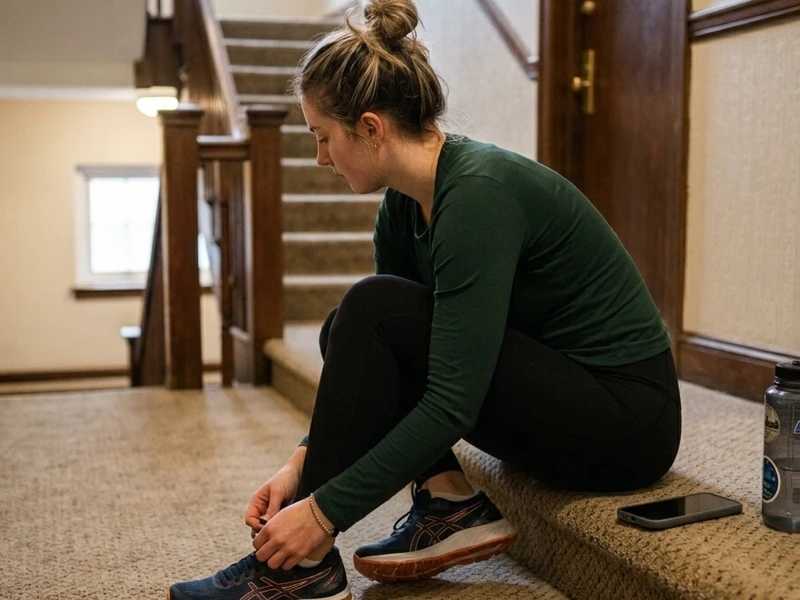
  • Move your body daily in some form, even a short walk counts far more than an occasional intense workout
  • Protect a consistent sleep schedule, since recovery and energy both depend heavily on it
  • Drink enough water throughout the day rather than only noticing when you’re already thirsty
  • Eat regular meals instead of skipping them during busy stretches, since consistency matters more than perfection here

Habits That Support Your Mind and Focus

habits for a better life mind and focus

These tend to matter just as much as physical habits, even though they’re harder to measure directly.

  • Journal a few lines most days, simply to get thoughts out of your head before they pile up unnoticed
  • Limit time on your phone or social media if you notice it consistently affecting your mood
  • Spend time outside regularly, even a short amount daily
  • Do one thing purely for enjoyment each day, not for productivity

Habits That Support Your Relationships

A better life rarely happens in isolation, and a few consistent habits help protect the relationships that matter.

  • Reach out to people you care about regularly, not just when something’s wrong
  • Actually listen during conversations instead of waiting for your turn to speak
  • Set clear boundaries where you need them, rather than quietly resenting situations you never addressed
  • Show appreciation directly and often, rather than assuming people already know how you feel

Habits That Support Your Work and Growth

These tend to compound the most visibly over time, the way Clear’s small athletic habits eventually did.

  • Protect a block of focused time daily for whatever matters most in your work or goals
  • Review your progress weekly, rather than only noticing direction once a year has passed
  • Learn something new consistently, even in small amounts, rather than waiting for a dedicated block of free time
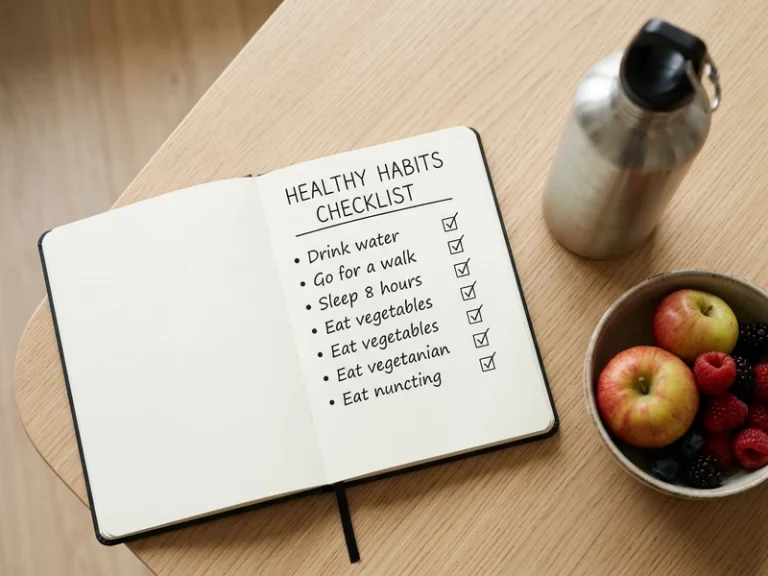
  • Track your habits in some simple way, so you have real evidence of consistency, not just a vague sense of effort

How to Actually Build These Without Overwhelming Yourself
Habit Formula for Better Life

The mistake most people make is trying to adopt everything on a list like this at once.

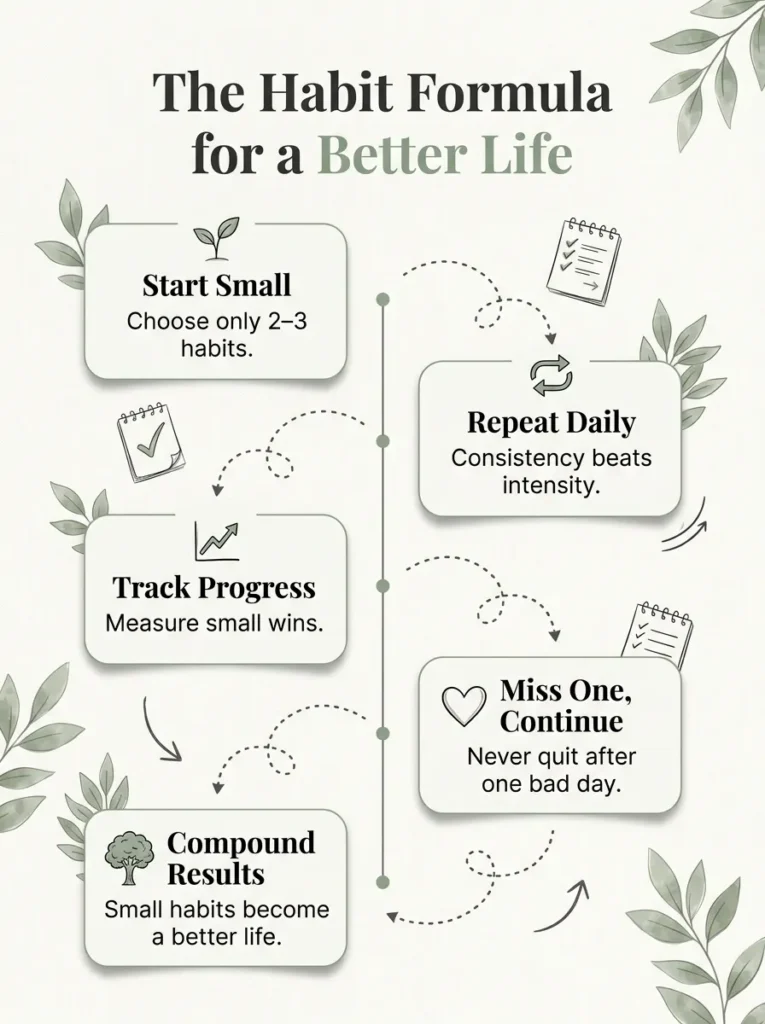
  • Pick two or three habits to start, not fifteen, and give them real time before adding more
  • Attach new habits to something you already do consistently, so they’re easier to remember
  • Expect early attempts to feel effortful, that’s normal, and it gets easier with repetition, not motivation
  • Treat a missed day as just a missed day, not evidence the whole effort has failed
  • The Habit Loop: Why Small Actions Become Automatic

    Cue – The trigger that reminds you to act (e.g., after brushing your teeth).
    Routine – The habit itself (2-minute stretch, one page of reading, glass of water).
    Reward – A small positive feeling or satisfaction that reinforces the behavior.

    After making your morning coffee (cue), write one sentence in your journal (routine), then enjoy your coffee guilt-free (reward). Repeating this loop helps the habit become automatic over time.

FAQ: Habits for a Better Life

Two or three is realistic for most people. Trying to overhaul everything at once tends to lead to burning out on all of it rather than sticking with any single habit long enough for it to matter.

Yes, and James Clear’s own recovery is a real example of this. Small, consistent actions tend to compound quietly, often invisible in the short term but significant when you look back over months or years.

Treat it as a single missed day, not a failure of the whole effort. Picking the habit back up matters far more than never having missed a day in the first place.

Whichever area feels most out of balance right now. There’s no required order, and small consistent effort in any one area tends to make the others easier to manage too.

James Clear didn’t build a better life through one dramatic turnaround. He built it from the bottom of a college roster, through small, repeated habits that had nothing impressive about them in the moment. A better life, for most people, looks a lot more like that than like a single transformative decision, small, consistent, and easy to underestimate while you’re in the middle of it.
Similar Posts

Leave a Reply

Your email address will not be published. Required fields are marked *