Evening Wind-Down Routine (Starting With a Broken Cheekbone)

On the morning of April 6, 2007, Arianna Huffington woke up on the floor of her own office, bleeding from a cut near her eye and a broken cheekbone. Two years after co-founding The Huffington Post, she’d been working eighteen hour days, seven days a week, sleeping three to four hours a night, treating exhaustion as the price of ambition. Her body simply gave out. She collapsed, hit her head on the corner of her desk, and woke up in a pool of blood.
Doctors ran a full battery of tests, brain scans, echocardiograms, looking for a medical explanation. There wasn’t one beyond the obvious. As she later put it, the diagnosis was extreme exhaustion, plain and simple. Sitting in waiting rooms during that stretch, she started asking herself a harder question than any doctor had, whether the life she was living actually resembled the success she thought she was building.
That collapse became the seed of her book The Sleep Revolution and eventually led her to leave the company she’d spent over a decade building, to start Thrive Global instead. Her conclusion, after years of research into her own wake-up call, was almost embarrassingly simple. “It’s clear,” she wrote, “that if we’re going to truly thrive, we must begin with sleep.” And sleep, she found, doesn’t start at bedtime. It starts with what you do in the hour or two before it.
Why the Hour Before Bed Matters More Than People Think

Huffington’s own research pointed to something most people underestimate entirely.
Build a Real Ritual, Not Just an Absence of Work

Huffington has been specific about what she actually recommends, and it’s less about restriction and more about replacement.
Put Technology to Bed Before You Go to Bed
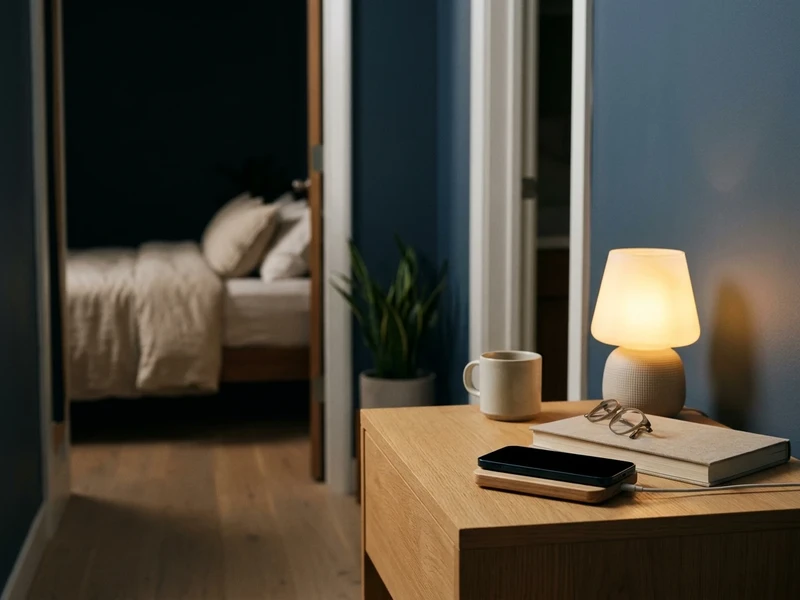
This is one of Huffington’s most consistent and specific pieces of advice, treating your devices the way you’d treat yourself.
Separate the End of Your Workday From the Start of Your Evening

One of the harder shifts Huffington describes making was drawing an actual line between working and not working.
Build a Simple, Repeatable Sequence
A short, consistent wind-down sequence tends to work better than an elaborate one you won’t actually keep up with.
FAQ: Evening Wind-Down Routine
Arianna Huffington didn’t slow down because someone told her to. She slowed down after her body forced the issue, waking up on the floor of her own office with a broken cheekbone. Most people won’t need a moment that dramatic to take an evening wind-down routine seriously, but her conclusion is worth taking at face value anyway. The day doesn’t actually end when you decide it does. It ends with whatever ritual you build to genuinely tell your mind and body it’s safe to stop.