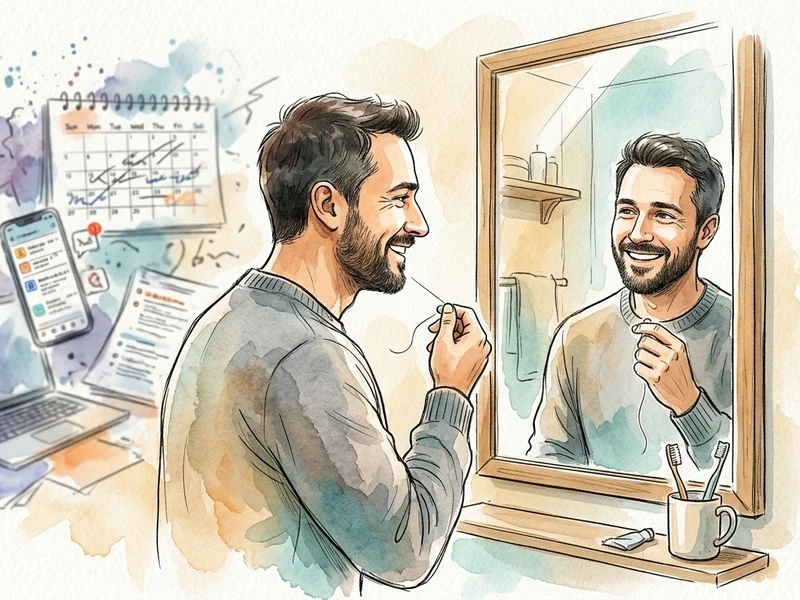
In 2010, BJ Fogg’s life was falling apart in several directions at once. A startup he was involved with was failing. He was running a huge conference at Stanford. His nephew had just died of a drug overdose. In the middle of all that, the Stanford behavior scientist did something almost absurdly small. He flossed one tooth.
“I looked in the mirror,” he later explained, “and I would think, everything else today could be terrible, but I got one thing right. You did one thing right today, BJ, victory.” He wasn’t testing a theory when he did it. He hadn’t read the research yet. He just needed, in the middle of everything collapsing, one small thing he could point to and call a win. Only later did he put the pieces together and realize why it worked, and turn it into a formal method now taught to thousands of people, called Tiny Habits.
Fogg’s core finding, backed by years of research at Stanford’s Behavior Design Lab, cuts against almost everything people assume about building good habits. “The thing that wires a habit in,” he says, “is not repetition, it’s the emotion you feel when you do the behavior.” Not willpower. Not motivation. Not even how many times you repeat it. The feeling of success in the moment you do it. That single idea changes how building a good habit should actually work.
Why Motivation Is the Wrong Thing to Rely On
Fogg’s research points directly at the most common mistake people make when trying to build a new habit.
Motivation naturally rises and falls, which means a habit built entirely on staying motivated is fragile by design
Big, ambitious goals often require exactly the high motivation that’s hardest to sustain day after day
Fogg’s Behavior Model shows that when motivation is low, a behavior can still happen if it’s easy enough to do
The Tiny Habits method exists specifically because relying on willpower, rather than designing around its absence, is where most habit attempts fail
Make the Habit Almost Absurdly Small
This is the part of Fogg’s method that sounds strange at first and is exactly the point.
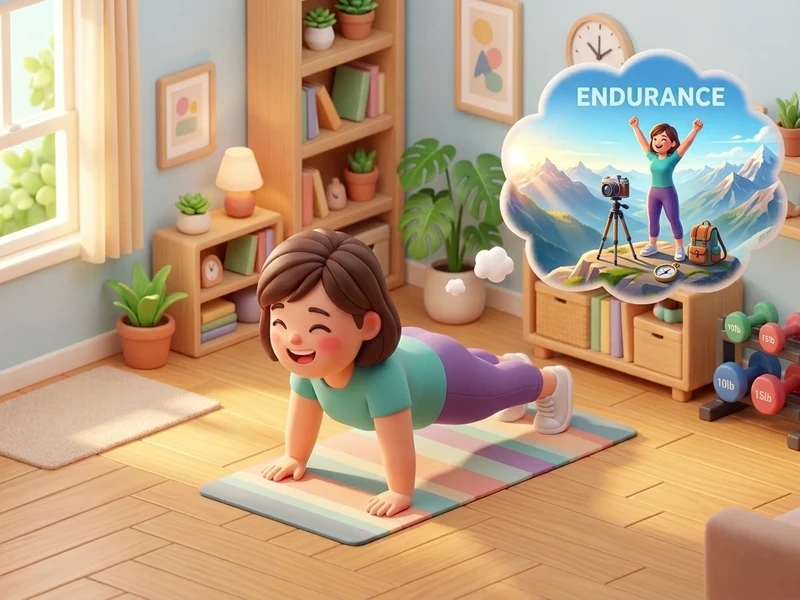
Shrink the habit down to something that feels almost too small to matter, floss one tooth, do two push-ups, read one paragraph
If the behavior feels remotely difficult to start, it’s still too big, shrink it further
The goal isn’t staying tiny forever, it’s making the first version of the habit essentially impossible to skip
A habit that feels silly in its smallness is usually sized correctly, not incorrectly
Anchor the New Habit to Something You Already Do
Fogg’s method attaches every new habit to an existing routine, rather than relying on remembering it on your own.
Use the format Fogg teaches directly, after I [existing habit], I will [new tiny habit]
Choose an anchor that happens reliably every day, brushing your teeth, sitting down with coffee, putting your feet on the floor
The anchor does the remembering for you, removing one of the biggest reasons habits get forgotten in the first place
A consistent anchor matters more than a perfect one, pick something that genuinely happens without fail
Celebrate Immediately, Even for Something Tiny
This is the piece of Fogg’s method people resist the most, and the one his research says actually wires the habit in.
Immediately after doing the tiny habit, do something that creates a real, felt sense of success, a small internal “yes,” a fist pump, a genuine moment of acknowledgment
Fogg is direct about why this matters, it’s the emotion in that moment, not repetition alone, that tells your brain to keep the behavior
This step feels awkward or unnecessary to a lot of people at first, Fogg has noted plenty of people skip it or resist it, and it tends to be the difference between the method working and not
The celebration doesn’t need to be elaborate, a genuine, felt moment of “I did that” is enough
Try the One Habit Fogg Recommends to Everyone
Out of everything in his research, there’s exactly one habit Fogg prescribes universally, rather than letting people choose their own.
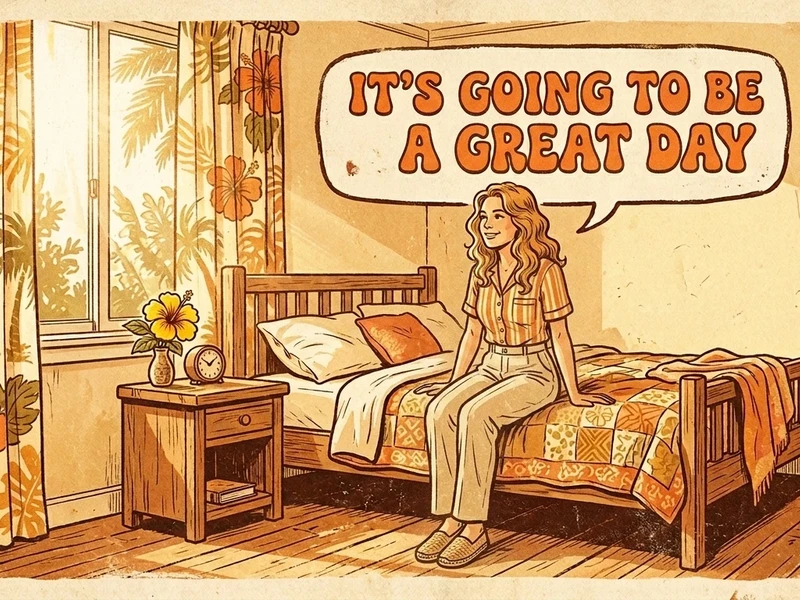
Immediately after your feet hit the floor in the morning, say the phrase, “It’s going to be a great day”
Fogg calls this the Maui habit, developed after noticing how naturally optimistic he felt during time spent in Hawaii, and named to capture that same feeling
Say it even if you don’t fully believe it that morning, adjusting to something like “it’s going to be a great day, somehow” on harder days
This single habit, anchored to an action that happens without fail every single morning, is the only one he recommends to literally everyone
Let the Habit Grow Only Once It’s Automatic
A tiny habit isn’t meant to stay tiny forever, but Fogg is specific about when it’s appropriate to grow it.
Resist the urge to scale up a habit before it’s become genuinely automatic, since raising the bar too soon tends to undo the progress
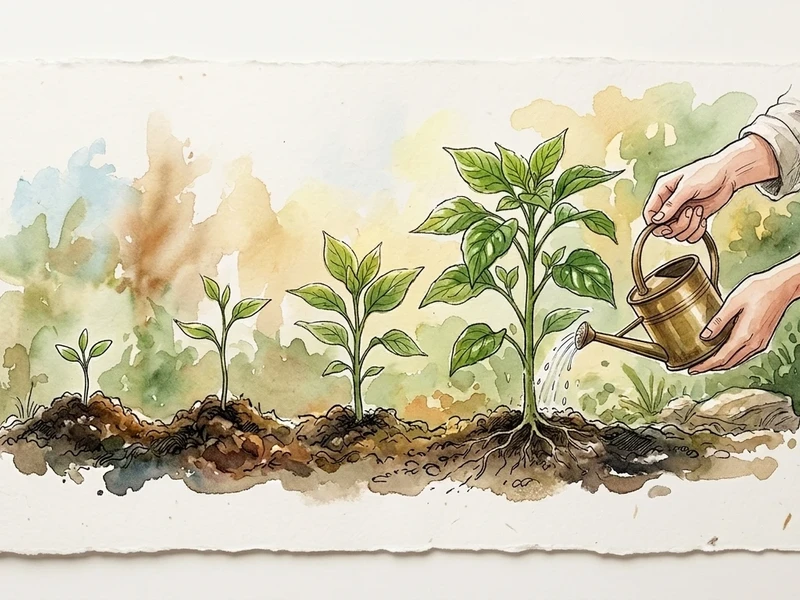
Let natural growth happen on its own, from one push-up to a few, from one tooth to a full flossing routine, once the smaller version feels effortless
If a habit stalls, the fix is usually shrinking it further, not pushing harder through willpower
Consistency at a small size beats inconsistency at an ambitious one, every time
Many people misunderstand the Tiny Habits method. Starting small does not mean expecting less from yourself forever. It means removing the barrier that prevents you from starting. A tiny habit is a starting point, not the final destination.
FAQ: How to Build Good Habits
According to BJ Fogg’s research, relying on motivation is usually the core issue, since motivation naturally fluctuates and can’t be counted on consistently. Habits built around behaviors small enough to do even on low motivation days tend to hold up much better.
Small enough that it feels almost too easy, even absurdly so, one push-up, one sentence, one tooth flossed. If it still feels effortful to start, it’s usually still too big.
Fogg’s research specifically identifies the emotion felt right after completing a behavior, not repetition alone, as what wires a habit into the brain. A genuine, felt moment of success immediately after the action appears to matter more than most people expect.
The Maui habit, saying “It’s going to be a great day” immediately after your feet touch the floor each morning. It’s the only habit he prescribes universally rather than leaving up to individual choice.
BJ Fogg didn’t build his method around ambition, he built it around a single flossed tooth during a year when almost everything else felt out of his control. That’s the real lesson underneath how to build good habits. Start absurdly small, anchor it to something that already happens without fail, and let yourself genuinely feel the win, however tiny, every single time. The habit grows from there, on its own, once it’s actually had the chance to take hold.