How to Break a Bad Habit (What a Vietnam War Study Revealed)
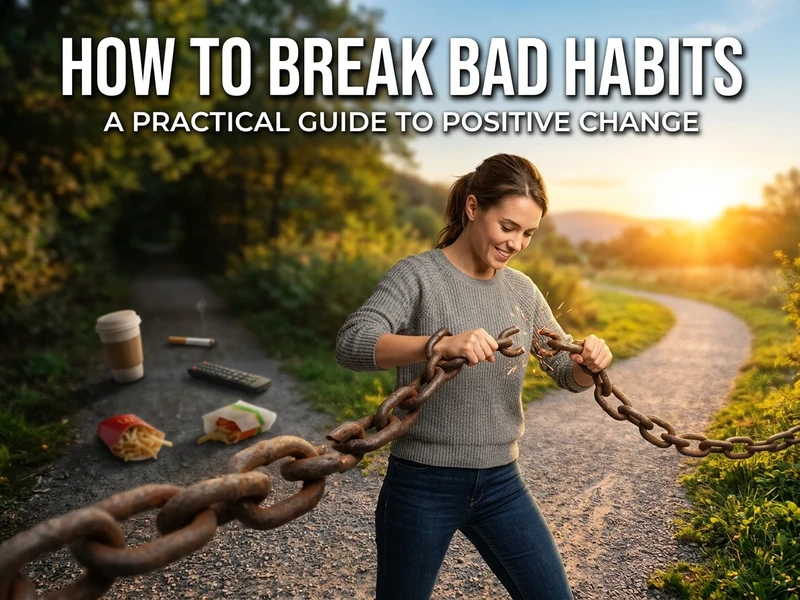
In the early 1970s, sociologist Lee Robins was asked to study something the U.S. government was deeply worried about. Around 20 percent of American soldiers in Vietnam had become addicted to heroin during the war, cheap, potent, and easy to access in that environment. Officials expected a wave of addiction to follow soldiers home. Based on everything known about addiction at the time, that seemed like the obvious outcome.
It wasn’t what happened. Robins found that only about 5 percent of those soldiers relapsed within a year of returning home, and just 12 percent within three years, roughly nine out of ten simply stopped, without the relapse epidemic anyone expected. It’s worth being clear about what this study does and doesn’t show. This isn’t a claim that addiction is easy to overcome or that willpower alone solved it. The soldiers had gone through detox in Vietnam, and modern relapse rates for people treated for addiction in the U.S., where they return to the same environment they used in, sit closer to 60 to 65 percent, a very different picture. This isn’t guidance for treating substance addiction, which requires real medical and professional support.
What makes Robins’s finding genuinely useful for everyday habits is the reason researchers believe the numbers looked so different. The soldiers’ heroin use had been tightly bound to a specific environment, the stress, the surroundings, the people, thousands of miles from home. When that entire environment disappeared, so did most of the cues that had been triggering the behavior in the first place. That single insight, that habits are often less about willpower and more about the cues surrounding them, is the real foundation for breaking an everyday bad habit.
Why Willpower Alone Rarely Breaks a Habit
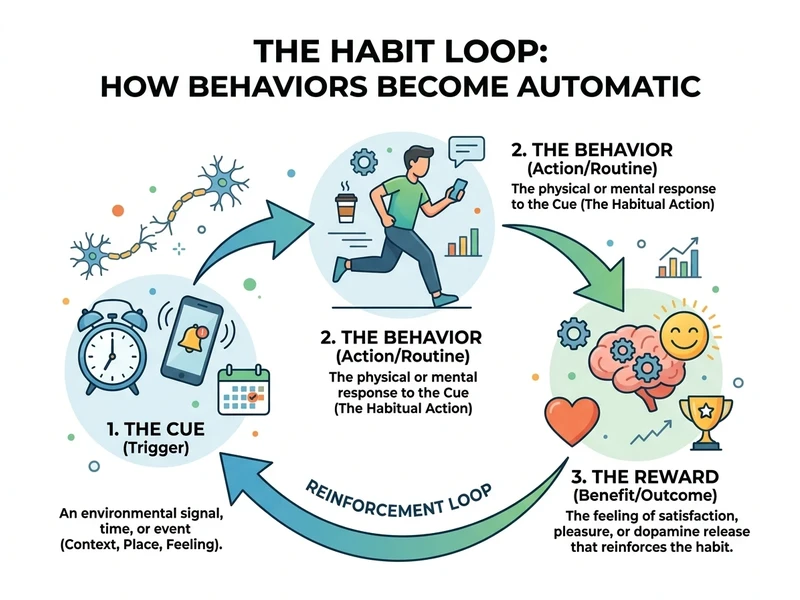
The common approach to quitting a habit, gritting your teeth and resisting, tends to work against how habits actually function.
Identify the Actual Cue Behind Your Habit
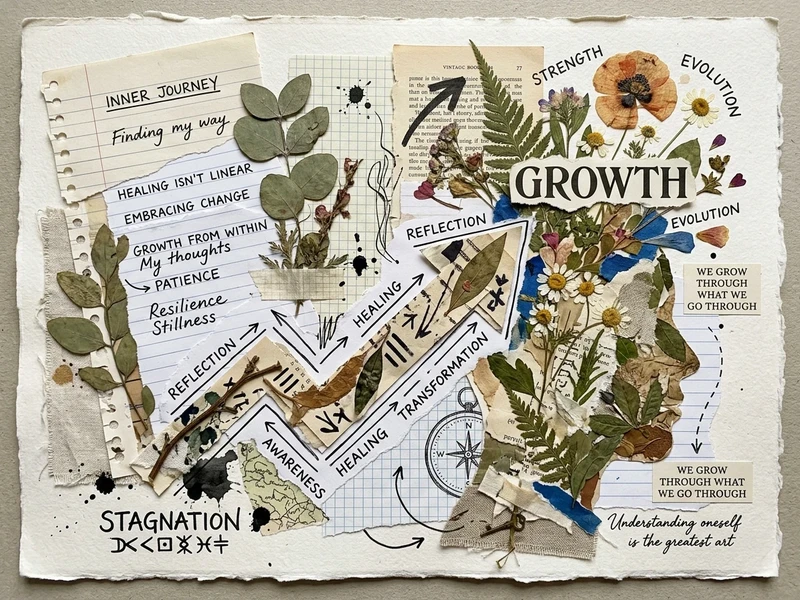
Before trying to break a habit, get specific about what’s actually triggering it.
Change the Environment, Not Just Your Intentions
This is the core lesson from Robins’s research, translated into something usable for everyday habits.
Make the Habit Harder to Do, Not Just Undesirable
Adding friction between you and the habit tends to work better than relying on discipline alone in the moment.
Replace the Habit Instead of Just Removing It
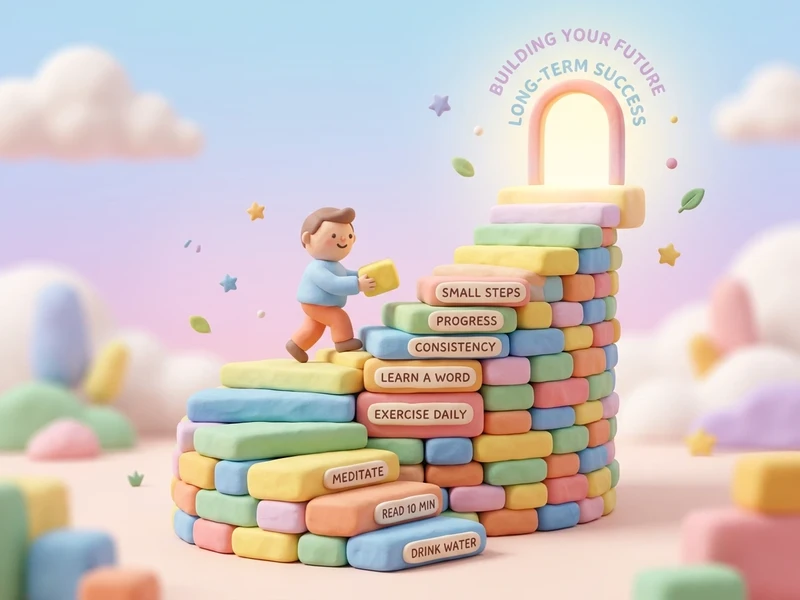
A cue that used to trigger the old habit doesn’t disappear just because you’ve decided to stop, it needs something to trigger instead.
Expect Some Cues to Follow You, and Plan for Them

Not every trigger can be removed from your environment entirely, and it helps to prepare for the ones that can’t.
FAQ: How to Break a Bad Habit
Lee Robins’s research reshaped how behavioral scientists think about habits, not as simple failures of character, but as behaviors deeply tied to the cues and environments surrounding them. Breaking a bad habit rarely comes down to wanting it badly enough. It comes down to noticing what’s actually triggering it, changing what you can about that environment, and having something real ready to do instead when the old cue shows up anyway.