Evening Habit Stack (Built the Way LeBron James Builds His)

evening habit stack featured

LeBron James has played in the NBA for over two decades, well past the age most players have retired, and one habit gets credited more than almost any other for keeping him competitive this long. Sleep, and specifically, a tightly built evening routine designed to protect it. On The Tim Ferriss Show, James explained his approach plainly: eight hours is the baseline, “that’s the best way for your body to physically and emotionally be able to recover and get back to 100 percent as possible.” Some nights he gets nine. Some nights, by his own account, he’s gotten twelve.

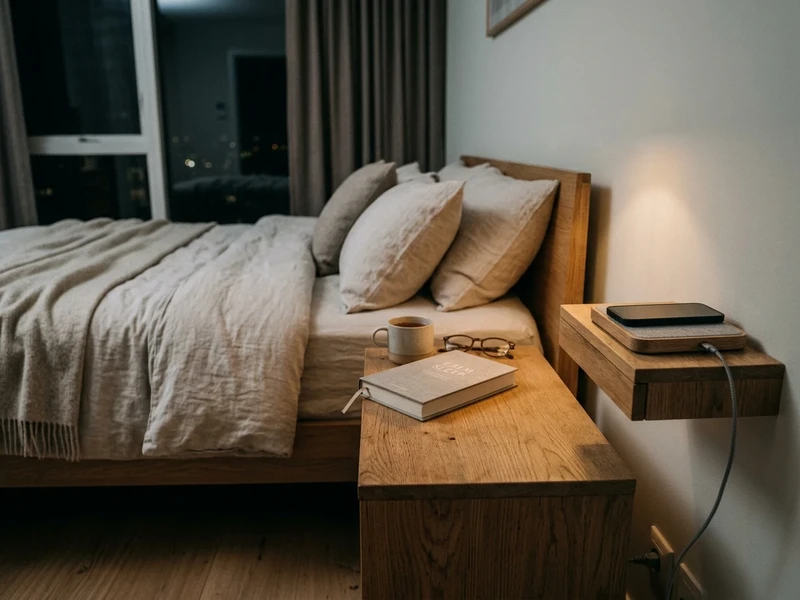
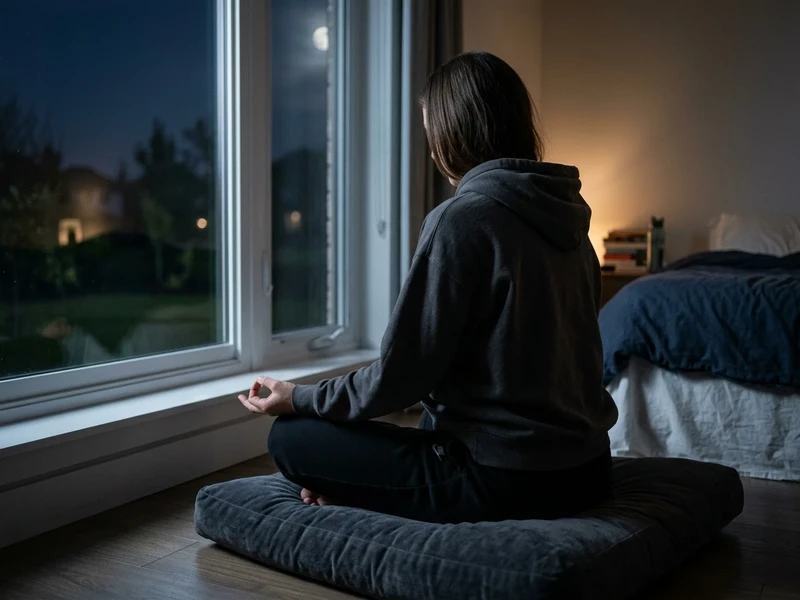
What makes his routine worth studying isn’t just the number of hours, it’s how deliberately stacked the evening actually is. His trainer, Mike Mancias, has described the specifics directly, room temperature set to roughly 68 to 70 degrees, the room kept completely dark, screens turned off thirty to forty-five minutes before he actually intends to sleep. James has added his own piece on top of that, using the time before bed for meditation. “Just turn everything off,” he said, “probably a half hour to 45 minutes before you actually want to go to sleep, and just really committing yourself to that.”

None of these habits work in isolation particularly well. Cool room temperature alone won’t fix a mind still racing from screens. A dark room alone won’t undo a day’s stress without something like meditation layered on top. What actually works is the stack, each small habit chained to the next, building toward one outcome. That’s a genuinely useful model for anyone trying to build their own evening habit stack, not from scratch, but from a sequence that’s already been tested at the highest level of physical performance.

Why a Stack Works Better Than Isolated Habits
evening habit stack why stack works

LeBron’s routine isn’t one single trick, it’s several small habits linked together in sequence.

  • Each habit in the stack reinforces the ones around it, a dark, cool room supports the effect of turning off screens, which supports the effect of meditating before bed
  • A single isolated evening habit tends to have limited effect on its own, since sleep quality depends on multiple factors working together
  • Building a stack means each completed step becomes the cue for the next, reducing the mental effort of remembering what comes next
  • The specific habits matter less than the fact that they’re chained together consistently, night after night

Build Your Environment First

evening habit stack build environment first

James’s routine starts with the physical space itself, before any behavior even begins.

  • Set your room temperature intentionally, research and expert guidance consistently point to a cooler room, generally in the mid to high 60s, as more conducive to sleep
  • Make the room as dark as realistically possible, blackout curtains or an eye mask if needed
  • Reduce noise or add consistent background sound if silence isn’t realistic in your environment
  • Treat this as the foundation the rest of your stack sits on, not an optional extra step

Add a Clear Screen Cutoff Time

evening habit stack screen cutoff time

This is one of the most specific, repeatable parts of James’s documented routine.

  • Set a defined cutoff, thirty to forty-five minutes before your intended sleep time, mirroring what James’s own routine follows
  • Physically put your phone somewhere out of reach during that window, rather than relying on willpower to avoid checking it
  • Use the freed up time for something calmer, reading, stretching, quiet conversation
  • A consistent, specific cutoff time tends to be easier to maintain than a vague intention to “use screens less” before bed

Layer In a Calming Mental Practice

evening habit stack calming mental practice

James specifically added meditation on top of the physical environment and screen cutoff, not as a replacement for them.

  • Use the pre-sleep window for something that quiets your mind directly, meditation, slow breathing, or simply sitting in stillness
  • Keep this step brief and consistent rather than elaborate, five to ten minutes is enough to matter
  • This step tends to matter most on nights when your mind is still running from the day’s stress, exactly when it’s easiest to skip
  • Treat it as connected to the rest of the stack, not a separate wellness activity you do only when you remember

Build Your Own Evening Stack Using the Same Logic

You don’t need to copy James’s exact routine, the underlying structure is what’s worth borrowing.

  • Start with your environment, temperature, darkness, noise, since this is the foundation everything else builds on
  • Add a specific, timed cutoff for whatever tends to overstimulate you before bed, screens for most people
  • Layer in one calming practice in the newly freed time, consistent and brief rather than elaborate
  • Chain the steps together in the same order each night, so completing one naturally cues the next

Protect the Stack Even When the Day Runs Long

James’s schedule, professional travel, late games, early practices, is genuinely demanding, and his routine still holds up because it’s treated as non-negotiable.

  • Keep at least a shortened version of your stack even on demanding or late nights, rather than skipping it entirely
  • Identify which single step matters most to you personally, and protect that one above all if time is genuinely limited
  • Notice that the temptation to skip the stack tends to be strongest exactly on the nights you need it most
  • Consistency across imperfect nights tends to matter more than a perfect stack followed only occasionally
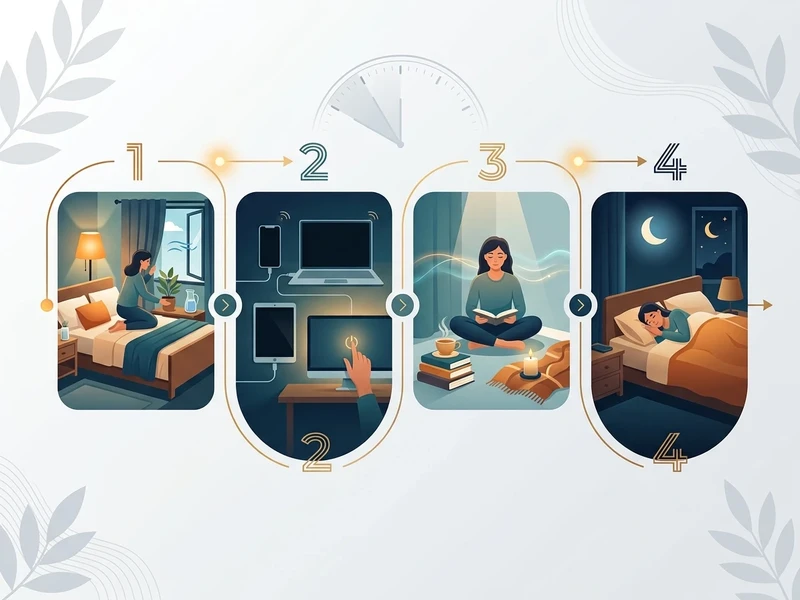
  • “The 4-Layer Evening Habit Stack Framework”

    Layer 1: Prepare Your Environment
    Make sleep easier before you even feel tired:
    cool room
    darkness
    comfortable setup
    Layer 2: Remove Stimulation
    Create a clear stopping point:
    phone away
    screens off
    work finished
    Layer 3: Calm Your Mind
    Give your brain a transition period:
    meditation
    breathing
    reading
    reflection
    Layer 4: Repeat the Same Sequence
    The power comes from repetition:
    same order
    same cues
    consistent timing

FAQ: Evening Habit Stack

According to his trainer and his own interviews, it includes a cool room temperature around 68 to 70 degrees, complete darkness, screens turned off thirty to forty-five minutes before sleep, and a period of meditation during that pre-sleep window.

A stacked sequence means each completed habit cues the next, reducing the mental effort of remembering what to do, and the habits tend to reinforce each other’s effect rather than working in isolation.

Start with your environment, room temperature and darkness, since it requires no willpower to maintain once set up, and it forms the foundation the rest of the stack builds on.

Three or four well-chosen habits, environment, a screen cutoff, and one calming practice, tend to be more sustainable than a long, elaborate routine that becomes harder to maintain consistently.

LeBron James didn’t stumble into one of the longest sustained careers in professional sports through talent alone. Night after night, he’s stacked a small number of deliberate habits, environment, a screen cutoff, a calming practice, into one consistent sequence. None of those habits are complicated or expensive to copy. The value isn’t in any single step, it’s in chaining them together and actually protecting that chain, especially on the nights it would be easiest to skip.
Similar Posts

Leave a Reply

Your email address will not be published. Required fields are marked *