
Daily Routine Ideas for Introverts That Actually Work

Most daily routine advice assumes you get energy from other people and busy environments. Early group workouts, back to back social plans, open office chatter treated as a given. For introverts, a routine built that way doesn’t recharge you, it drains you before the day even really starts.
A good daily routine for an introvert isn’t about avoiding people altogether. It’s about building in enough quiet, low stimulation time that you actually have energy left for the parts of life that do involve other people, work, relationships, everything else.
Here’s a full routine built around how introverts actually recharge, along with pieces you can pull out and use on their own.
Morning: Start Before the Noise Begins

Mornings are one of the few times of day that are naturally quiet, and introverts tend to do best when they use that quiet on purpose instead of losing it to notifications right away.
Wake up a little earlier than you need to, even fifteen minutes helps, so the start of your day isn’t immediately reactive. Avoid checking messages or social media until you’ve had some time to yourself. Spend a few minutes in silence, with coffee, with a journal, or just sitting. If you journal, mornings are a natural fit, a few quiet lines before anyone else needs anything from you. Ease into the day rather than jumping straight into calls or conversations if you can help it.
Midday: Protecting Focus and Energy

This is usually the most draining part of the day for introverts, especially if work involves meetings, open offices, or constant interaction. A few adjustments here make a real difference.
Block out short stretches of uninterrupted time if your schedule allows it, even twenty or thirty minutes without meetings or interruptions. Take breaks alone rather than defaulting to group lunches or hallway conversations every single day. Use headphones as a signal, even without music playing, as a way to create a small buffer around yourself in busy environments. Step outside briefly if a meeting or interaction leaves you feeling drained, even five minutes helps reset. Say no to optional social commitments during the day when you can feel your energy running low, rather than pushing through out of obligation.
Evening: Recharging After a Social Day

By evening, most introverts are running on a deficit, even after a completely normal day. This part of the routine is about paying that back.
Build in real alone time before doing anything else, even before responding to messages that can wait. Do something low stimulation, reading, a slow walk, a quiet hobby, rather than another screen heavy activity. If you journal in the evening, this is a good time to process anything from the day that felt like a lot. Keep evening plans with others less frequent than they might be for someone who recharges differently, and be honest with yourself about how much social time you actually have energy for that day. Wind down earlier than feels necessary, since introverts often need more recovery time than they expect.
Weekly Habits That Help Introverts Specifically

Beyond the daily rhythm, a few weekly habits tend to make a noticeable difference.
Schedule at least one day with minimal social plans, even if it’s just a few hours. Batch necessary social obligations together rather than spreading small interactions across every single day. Plan recovery time after any larger social event, don’t schedule something else demanding right after. Spend time on a solitary hobby regularly, not just when you happen to have free time left over. Check in with yourself weekly about whether your schedule has had enough quiet in it, not just enough productivity.
How to Build This Without Isolating Yourself
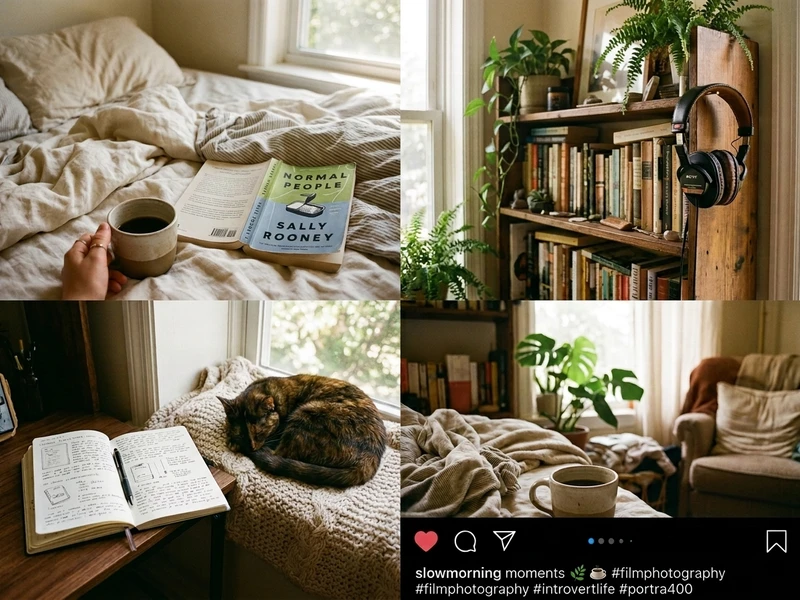
A routine built around recharging alone can tip into isolation if you’re not paying attention, and that’s worth naming honestly. Introverts still need connection, just usually in smaller doses and on their own terms rather than constantly.
Keep a small number of relationships you nurture consistently, rather than either avoiding people completely or overcommitting socially. Choose quality over quantity when it comes to social time, one meaningful conversation tends to matter more than several shallow ones. Notice the difference between needing quiet and avoiding something you’re actually anxious about, since those can look similar but call for different responses.
If mornings are where you get your best quiet time, our morning journal prompts pair well with the quiet start described above. And if you’re looking to build any of this into more consistent daily habits, our healthy habits checklist is a useful next step.
FAQ: Daily Routine Ideas for Introverts
A daily routine built for an introvert isn’t about withdrawing from life, it’s about making sure you actually have the energy for the parts of it that matter to you. Build in the quiet on purpose, and the rest of your day tends to go a lot more smoothly.